Guide to Selling Digital Products from Scratch in Spain
Discover the essential steps to launch your digital product business in the Spanish market effectively.
The Rise of Digital Products in the Spanish Market
The shift in consumer habits that accelerated from 2020 onwards was not a passing trend. In Spain, a robust digital economy has consolidated where the demand for intangible goods is an everyday reality. It's no longer an emerging trend but a mature market with an audience that searches, buys, and consumes knowledge and tools in digital format on a regular basis.
This transformation has opened a real opportunity for creators and experts. A recent report from Hotmart, one of the sector's leading platforms, reveals that categories such as online courses, ebooks, software, and templates concentrate a significant portion of revenue, demonstrating consolidated and predictable demand. These aren't just ideas—they're business areas validated by thousands of Spanish consumers.
For a creator in Spain, this business model offers clear advantages. Initial costs are minimal compared to a physical business, there's no inventory management, and most importantly, all geographical barriers are eliminated. The ability to sell digital products in Spain naturally extends to the entire Spanish-speaking market, opening doors to millions of potential customers in Latin America.
Understanding the fundamentals is the first step, and there are resources that explore in detail how to shape your first ideas. For those who wish to delve deeper, the guide on how to get started with our digital products offers an excellent starting point. The barrier to entry has never been lower for those with valuable knowledge to share.
How to Find and Validate Your Market Niche

Before writing a single line or recording a minute of video, the most important work is strategic. The temptation to want to sell to everyone is the fastest path to selling to no one. The key is to find a specific corner of the market where your knowledge solves a real problem.
The Power of Specialization
Imagine a souvenir shop in central Madrid. One sells generic magnets, t-shirts, and postcards. Another, a few meters away, specializes exclusively in handcrafted hand-painted fans. Which do you think attracts a more loyal audience willing to pay a fair price for a unique product? Specialization turns you into the reference for a specific topic, generating trust and authority almost automatically.
A Method to Validate Your Idea
Validating your idea doesn't require a large investment, just an orderly process. Instead of jumping in blindly, follow these steps to confirm whether your intuition has business potential:
- Identify a problem or passion. What questions do your friends or coworkers constantly ask you? What online communities do you actively participate in? Recurring problems are business opportunities.
- Define your ideal customer. It's not "people interested in marketing." It's "marketing professionals in Madrid who manage SMEs and want to improve their local SEO without hiring an agency." Specificity is everything.
- Analyze the competition. Look for who else is offering solutions to that customer. Not to copy, but to find your unique angle. Perhaps their products are too theoretical and you can offer a more practical approach.
Test Your Niche with Minimum Risk
Once you have a hypothesis, it's time to test it without spending time or money creating the final product. These low-cost techniques are incredibly effective:
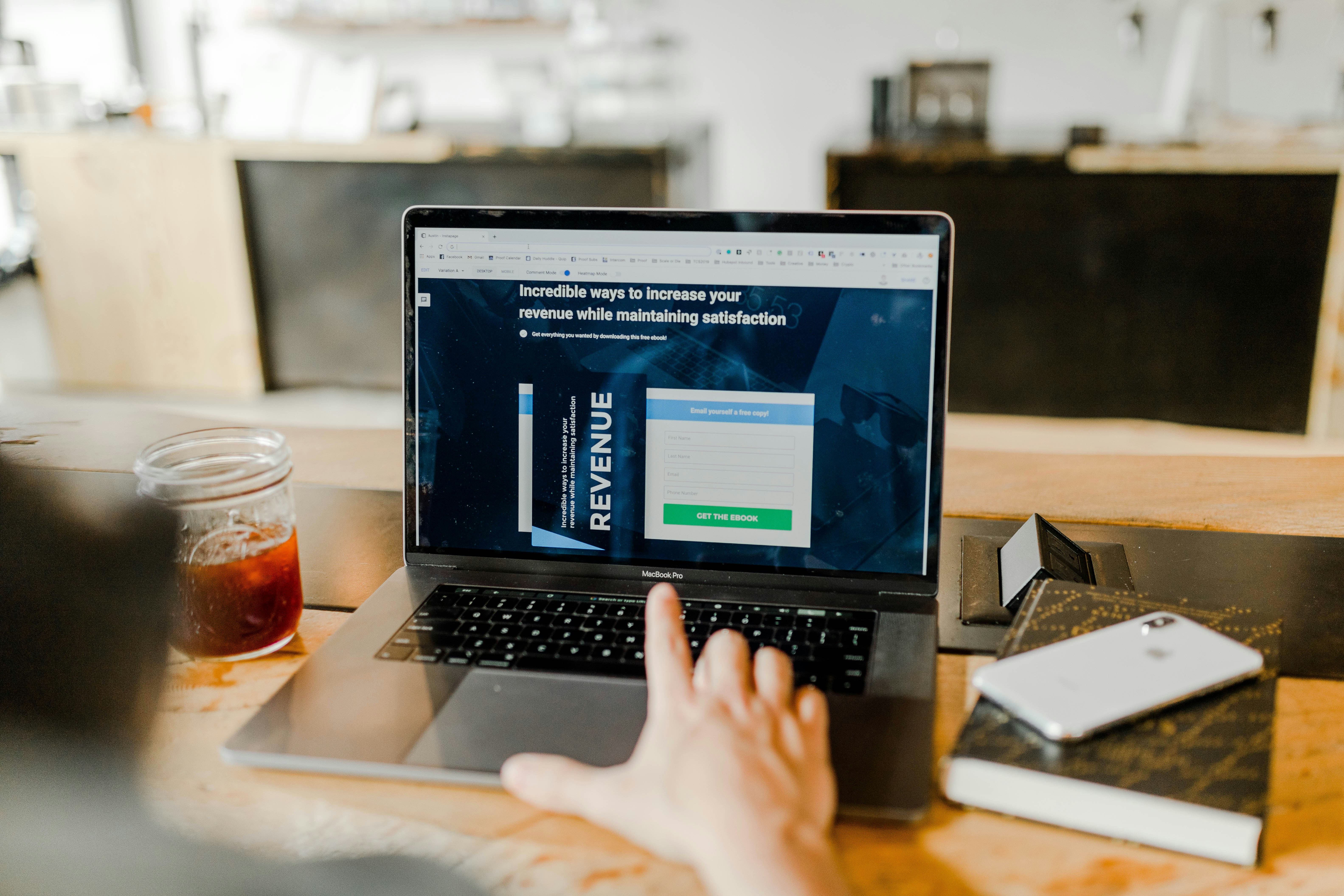
- Create a simple landing page with a tool like Carrd. Describe the product you'll "soon" launch and add a form to capture emails from interested parties. If no one signs up, it's a clear signal.
- Launch polls on Instagram Stories or LinkedIn. Ask your network directly about their difficulties with the topic you want to address.
- Use Google Trends to analyze search interest for your keywords, filtering specifically by Spanish territory. Are people actively searching for solutions to this problem?
This preliminary work may seem slow, but it will save you months of effort on a product nobody wants to buy.
Creating Digital Content That Truly Connects
Once your niche is validated, the focus shifts from strategy to execution. Creating a digital product isn't about packaging information, but designing an experience that delivers a tangible result. Quality and empathy with the end user are the factors that make the difference.
Focus on Solving a Specific Problem
Returning to the niche idea, your product should be the direct solution to a concrete pain point. A "cooking course" is too generic. Instead, an "ebook of healthy recipes in 30 minutes for busy professionals" immediately resonates with a defined audience. Each module, chapter, or lesson should be designed to bring the customer closer to the transformation you promised them.
Choose the Right Format for Your Content
Format is not a trivial decision; it must align with the content and your ideal customer's habits. A video course is ideal for teaching practical skills but requires a greater production investment. An interactive PDF or ebook is faster to create and perfect for dense content. Audio, on the other hand, is an excellent format for busy audiences who take advantage of their commutes on the Madrid or Barcelona Metro to learn. If you're wondering how to create an online course, start by thinking what format would best serve your student.
Structure Content for Current Consumption
We've all abandoned an online course for being overwhelming or difficult to follow. To avoid this, design your content thinking about how information is consumed today:
- Divide content into short modules. Lessons of 5 to 10 minutes are much more digestible than hour-long videos.
- Ensure it's multi-device. Your customer should be able to access from their mobile, tablet, or laptop without friction.
- Use quality visual elements. Graphics, diagrams, and good editing make content more attractive and easier to understand.
- Include downloadable materials. Worksheets, templates, or summaries help apply what's learned and increase perceived value.
Generate Trust Before the Sale
When you're starting out, you don't have testimonials or success stories. How do you convince someone to trust you? The answer is to demonstrate your worth upfront. Share your knowledge on a blog, offer a free chapter of your ebook, or create a mini-course by email. Explain transparently why you created the product and who you help. Building a solid personal brand is fundamental to generating that initial trust. If you want to explore more about this topic, you can read about how to build your creator brand and start positioning yourself as an expert in your niche.
Selecting the Ideal Platform for Your Business
With a valuable product in your hands, you need a system to deliver it and receive payment securely and efficiently. Choosing the technology platform is a strategic decision that will affect your daily management, your margins, and your customers' experience. Not all tools serve the same purpose, and understanding their differences is key.
Understanding Your Platform Options
Broadly speaking, options are divided into three categories. On one hand, there are marketplaces like Amazon, which give you access to a massive audience in exchange for a high toll and little control over your brand. On the other, website builders like Shopify or Wix, which offer total control but require technical knowledge and considerable marketing effort to attract traffic. Finally, there are specialized platforms for digital products, designed to simplify the sales process to the maximum.
Comparison of Key Players in Spain
To better visualize the differences, this table summarizes the main characteristics:
| Feature | Marketplaces (e.g., Amazon) | Website Builders (e.g., Shopify) | Specialized Platforms (e.g., Crealo) |
|---|---|---|---|
| Ideal for... | Sellers seeking massive immediate traffic. | Brands wanting total control and scalability. | Creators and beginners focused on simplicity. |
| Brand Control | Low. Operates within Amazon's ecosystem. | Total. Customized design, domain, and experience. | High. Customizable and direct sales page. |
| Commissions and Fees | High (monthly subscription + % per sale). | Variable (monthly plan + transaction commissions). | Low and transparent, often just a % per sale. |
| Learning Curve | Medium. Requires understanding their policies. | High. Demands technical and marketing setup. | Minimal. Designed to start selling in minutes. |
| VAT Management | Managed by the platform. | Requires manual configuration or third-party apps. | Automated for sales in Spain and the EU. |
Note: Platform choice depends on your priorities. Marketplaces offer visibility in exchange for control and higher commissions, website builders give total freedom in exchange for greater complexity, and specialized platforms prioritize ease of use for selling digital content.
Platforms like Shopify offer absolute control, but as their own guide to creating an online store details, the process involves multiple technical steps. Amazon, meanwhile, exposes you to its audience but with high fees, like its €39 monthly fee, and zero customization. This is where solutions like ours at Crealo position themselves as an ideal alternative for those looking to create an online store for beginners. We focus exclusively on selling digital products, eliminating all unnecessary complexity and allowing you to sell in minutes, not weeks. It's also one of the best platforms to sell ebooks due to its simplicity.
The Importance of a Frictionless Payment System
A critical point that many beginners overlook is payment and tax management. A confusing checkout process is the main cause of abandoned carts. Integrating reliable payment gateways like Stripe is fundamental. But the real added value for a seller in Spain is automatic VAT management. Calculating and applying the correct VAT rate for each customer, especially within the EU, is a complex task. A platform that does it for you saves you countless hours and potential problems with the tax authorities.
Local and Regional Considerations
Although your initial focus is Spain, it's smart to choose a platform that doesn't limit you geographically. Tools like Tiendanube, very popular in Latin America, demonstrate the importance of thinking about expansion. A good platform should allow you to sell globally from day one, managing different currencies and regulations without you having to worry.
Strategies to Set a Competitive and Fair Price

Putting a price on your knowledge can be one of the most intimidating decisions. Is it too expensive? Too cheap? The fear of getting it wrong leads many creators to undervalue their work. However, setting the right price isn't a dark art but an exercise in analysis and confidence in the value you provide.
A Pricing Approach Based on Three Pillars
To set prices for digital products logically, rely on these three points:
- Research direct competition. Analyze what prices similar products aimed at your same niche have. This will give you a reference range, not a strict rule.
- Calculate your costs. Although you don't have physical production costs, they do exist. Consider platform commissions, marketing expenses, and time invested in creation and support.
- Evaluate value and transformation. This is the most important pillar. You're not selling a 100-page ebook, you're selling the ability to "save 10 hours of work per week." How much is that worth to your customer?
Exploring Different Pricing Models
You don't have to limit yourself to a single price. You can offer different levels to adapt to different segments of your audience. For example, a "Basic" package with the ebook and a "Premium" package that also includes templates and a consulting session. Subscription models are also an excellent option to generate recurring income if you offer content continuously.
Set Prices with Confidence and Clarity
The most common mistake is competing solely on being the cheapest. This strategy devalues your product and attracts customers who don't value your work. A higher price, justified by exceptional value, filters out the curious and attracts committed buyers. A good pricing strategy is a key part of your marketing. For more ideas on how to promote your value, explore different marketing strategies that complement your decision.
Launch and Initial Promotion of Your Online Store
You've validated your idea, created a valuable product, and set a fair price. The final step is to open the doors of your store and start attracting your first customers. A successful launch doesn't require a million-dollar budget but careful planning and a focus on high-impact actions.
Your Pre-Launch Checklist
Before announcing your product to the world, perform a final review to ensure the customer experience will be flawless. A small technical glitch can ruin a sale.
- Domain and responsive design. Check that your sales page looks and functions perfectly on computers, tablets, and especially on mobile devices.
- Payment methods configured. Ensure the payment gateway is active and connected correctly.
- Purchase process tested. Make a test purchase yourself. From clicking "buy" to downloading the product, the process should be intuitive and error-free.
Fundamental Marketing for Beginners
Don't overwhelm yourself with dozens of marketing strategies. To start, focus on two that offer the greatest return with the lowest cost:
- Basic SEO: Use relevant keywords in your product title and description. Think about how a customer would search on Google to find you. This will help you capture organic traffic in the medium and long term.
- Content marketing: Write an article on your blog or create a series of social media posts that provide real value to your audience and naturally direct them to your product as the complete solution.
Leverage Technology to Simplify Work
As a creator, your time is your most valuable asset. Current technology allows you to automate much of the administrative work so you can focus on creating and connecting with your audience. AI assistants can help you write attractive product descriptions. Similarly, tools like those offered by Stripe, as detailed in their own resources, allow you to automate everything from invoicing to creating optimized payment links, eliminating complex manual tasks and allowing you to sell more intelligently.