Guide to Selling Digital Products in 2026
Learn how to transform your knowledge into a profitable business with this guide on how to market your own creations online.
Discover the essential steps to start selling your own creations online in 2026. Learn how to choose your idea, platform, and marketing strategy.
The Opportunity in the Digital Market in Spain
Online commerce has gone from being a simple trend in Spain to becoming a daily habit for millions of people. This consolidation of the digital market opens an immense door for new entrepreneurs. Unlike a traditional business, the barrier to entry is notably lower. You don't need to worry about renting a premises, managing inventory, or the logistics costs that drown so many physical businesses.
For a creator in Spain, this translates into very concrete advantages. The main one is the possibility of generating passive income online in Spain, a system where your product works for you even while you sleep. As specialized entrepreneurship guides point out, a well-structured digital business can operate and generate income without you being actively connected. This facilitates real work-life balance, allowing you to manage your business from anywhere.
Additionally, the Spanish digital consumer has matured. They no longer just look for a good price, but value security and trust. They expect to find familiar payment methods like Bizum and demand price transparency, with VAT clearly indicated. Above all, they connect with authentic creators who demonstrate genuine knowledge. For all these reasons, 2026 is an ideal time to launch your project. The market is accessible, the audience is ready, and the tools to get started have never been easier to use.
How to Identify and Validate Your First Product
 Craftsman choosing tool in his workshop
The question that holds many people back is: what do I sell? The answer is usually closer than you think, in your own skills and passions. Before thinking about technology or marketing, the first step is to look inward and find that knowledge you can package and offer to the world.
Turn Your Knowledge into a Product
Think about what you already know how to do well. An accountant can create a detailed ebook about tax returns for freelancers. A personal trainer from Valencia can design online training plans for people with little time. A musician can sell a practical course to learn the basic chords of Spanish guitar. It's not about inventing something revolutionary, but about solving a real problem for a group of people using your experience.
Digital Product Categories with High Demand
Your knowledge can take many forms. Some of the most popular and effective are:
- Ebooks and guides: Ideal for packaging dense information in a structured and easy-to-consume way.
- Online courses: Allow you to teach a skill step by step through video, text, and practical exercises.
- Templates: Save your customers time. They can range from CV templates for recent graduates to content calendars for social media.
- Presets and filters: Very popular in visual niches like photography or design, they offer an aesthetic transformation with a single click.
- Memberships: Create a community and offer recurring content in exchange for a subscription, generating predictable income.
Define Your Ideal Customer (Buyer Persona)
Selling to everyone is selling to no one. You need to know exactly who you're creating your product for. Think about your ideal customer in concrete terms. Is his name Javier, does he live in Bilbao, is he 40 years old, and does he want to learn to invest his money but doesn't know where to start? Giving him a name and context helps you make decisions, from the tone of your communication to the price of the product.
Validate Your Idea Before Creating It
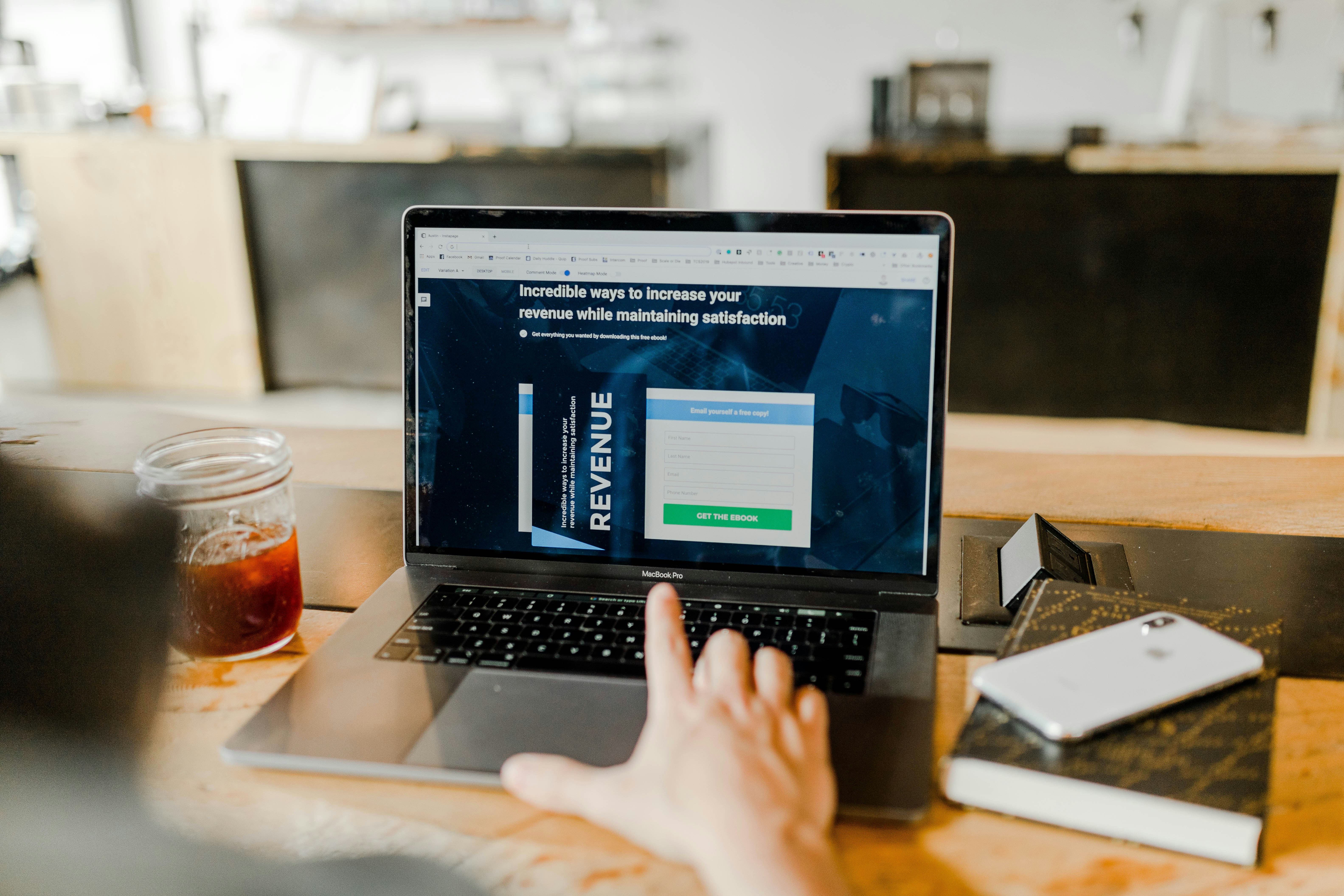
Before spending weeks on how to create a digital product completely, check if anyone is interested. You can do this with simple, low-cost methods. Launch a survey on your Instagram Stories asking your audience what problem they prefer to solve. Create a simple landing page describing your future product and add a form for interested people to leave their email with a message like "Sign up and be the first to know." Even analyzing Google Trends with search terms in Spain will give you clues about the real demand for your idea. If you're taking your first steps, understanding the fundamentals is key, and fortunately there are resources that guide you through the process of getting started with digital products.
Choosing the Right Platform for Your Sales
Once you're clear on the what, it's time for the how. The technology you choose to sell your digital product is a fundamental decision that will affect your brand, your margins, and your relationship with customers. Basically, you have two main paths: join a marketplace or create your own online store.
Each option has its advantages and disadvantages, and the right choice depends on your short and long-term goals. To make it clearer, here's a direct comparison.
| Factor | Marketplace (e.g., Hotmart) | Your Own Store (e.g., Crealo) |
|---|---|---|
| Brand Control | Limited, you compete with others | Total, you build your own brand |
| Commissions | Higher (10% + fixed) | Lower (varies by plan) |
| Traffic | Built-in audience, but competitive | You must generate your own traffic |
| Customer Relationship | Mediated by the platform | Direct, you build your own email list |
| Customization | Low, you use standard templates | High, you design the complete experience |
Note: This table summarizes the key structural differences. The choice depends on your priorities: a marketplace can offer initial visibility, while your own store gives you control to build a long-term business.
If you decide to create your own store, look for a platform that makes it easy. The key features for a beginner are:
- Ease of use: You shouldn't need programming knowledge.
- Secure payment gateways: Essential for building trust in the Spanish market.
- Automated product delivery: The customer should receive their purchase instantly and without manual intervention on your part.
- Basic sales analytics: To know what works and what doesn't.
The goal is for you to focus on your product and your marketing, not on technical configuration. That's why there are platforms for selling online like Crealo, specifically designed to simplify this process, allowing creators to focus on what they do best: create. Start with a cost-effective solution that covers your initial needs without forcing you into a large investment.
Essential Marketing Strategies for Beginners
 Person planning growth with model and blueprints
Having a great product and an online store is useless if no one knows you exist. Marketing is the bridge between your creation and your customers, but you don't need a big budget to start. The key is to build trust and authority organically.
Marketing for info products is based on providing value before asking for the sale. If you sell study guides, write an article on your blog about "Keys to University Entrance Exams." If you offer photography presets, create an Instagram Reel showing the "before and after" of a photo. Creating valuable content is the first step to building your creator brand and positioning yourself as an expert in your niche.
Instead of trying to be everywhere, focus on one or two social networks where your ideal customer actually is. Is your product very visual? Instagram is your place. Are you targeting professionals? LinkedIn will be more effective. Consistency on a single channel is much more powerful than sporadic presence on five.
One of the most powerful tools at your disposal is your email list. Unlike followers on social media, who depend on an algorithm, your email list is a direct communication channel that you control. To encourage people to subscribe, offer a "lead magnet": a free, high-value resource, such as a checklist, mini-guide, or exclusive template.
When starting out, it's easy to make mistakes that slow growth. Avoid these three common failures:
- Trying to be on all social networks at once. It exhausts your resources and dilutes your message.
- Focusing solely on selling without providing value. People buy from those they know, like, and trust.
- Not having a clear call to action (CTA). Always tell your audience what you want them to do next: "download the guide," "sign up for the webinar," "buy now."
These are just some initial ideas; exploring different marketing tactics is essential to find what works best for your audience.
Launching and Growing Your Digital Business
Launch day is not the goal, it's the starting point. Good preparation can make the difference between a silent debut and one that generates the first sales and drives your business. Before pressing the "publish" button, make sure you have everything ready.
Here's a basic checklist for launch day:
- Verify the product: Make sure the file you deliver is correct and has no errors.
- Do a test purchase: Simulate the complete process to ensure payment works and delivery is instant and trouble-free.
- Prepare your communications: Have drafts of emails and social media posts ready to announce the launch.
Consider doing a "seed launch" to a small, trusted audience. Offer your product to a small group, perhaps with a special discount, in exchange for their honest opinion. This initial feedback is pure gold. It will allow you to correct errors, improve the product, and get the first testimonials, which act as "social proof" for future customers.
Once you start selling digital products, growth is based on listening and evolving. You can create premium versions of your product, collaborate with other creators in your niche to reach new audiences, or use your customers' opinions to devise your next launch. Long-term success doesn't depend on a single perfect launch, but on continuous improvement and the ability to adapt to what your community needs.